
Most marketing teams are not underperforming because of a lack of talent.
They are underperforming because the workload has outgrown the team. Deadlines stack up. Content requests multiply. Creative assets need constant refreshing. And somewhere in the middle of all that, strategy takes a back seat to survival.
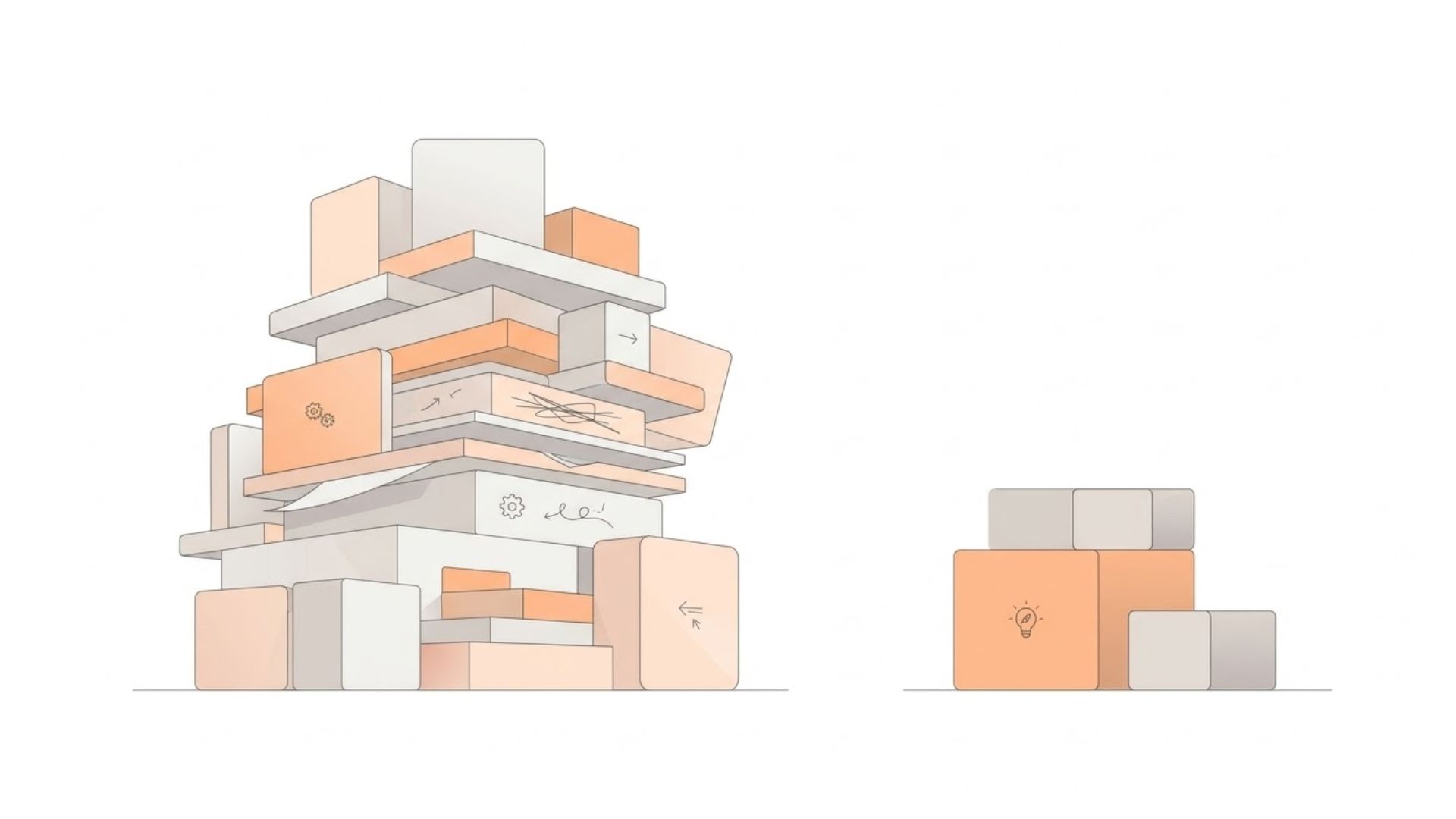
Sound familiar?
If your team is spending more time executing repetitive tasks than thinking about what actually moves the needle, the problem is not your people. It is the process. And the businesses solving this fastest are not hiring more headcount. They are rethinking which parts of the workflow should involve a human at all.
AI-powered tools have moved well past the experimental phase. They are now practical, fast, and genuinely useful for the specific bottlenecks that drain marketing teams every single day. This is not about replacing creativity. It is about removing the friction that stops creative work from happening in the first place.
Table Of Contents
The Visual Content Bottleneck Nobody Wants to Admit
Here is a problem that almost every growing brand faces but rarely talks about openly.
Visual content is one of the highest-impact elements of any marketing campaign. Product images, social graphics, ad creatives, landing page visuals. They drive attention, build brand recognition, and directly influence conversion rates.
They are also incredibly time-consuming to produce at scale.
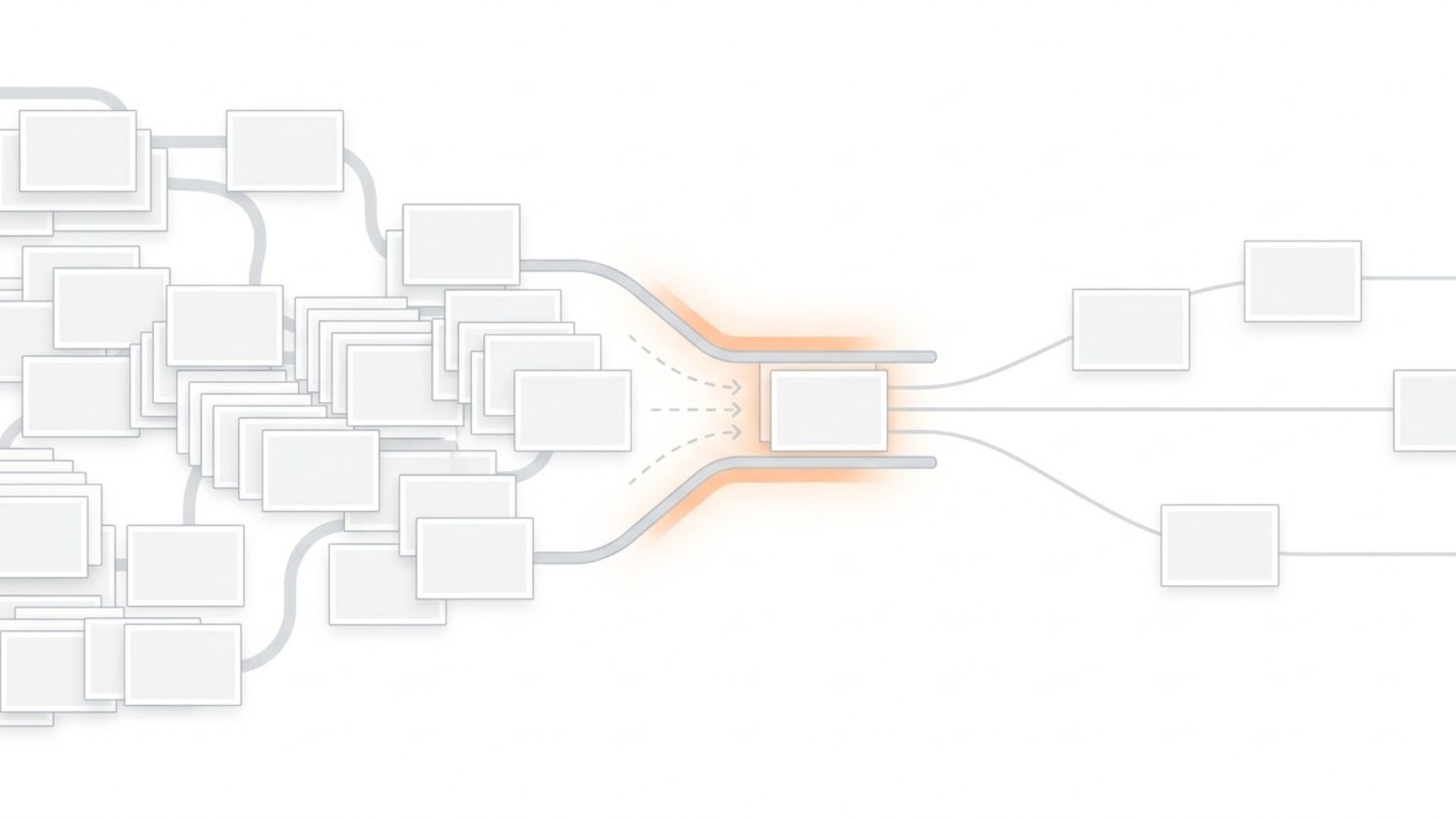
A single product line might need dozens of image variations. Different backgrounds, different styling, different formats for different platforms. Running every one of those through a traditional design or photography workflow is slow, expensive, and completely impractical for teams with a realistic budget and timeline.
The result? Brands end up using the same visuals far longer than they should. Creative fatigue sets in. Ad performance drops. And the design team spends their time on production tasks instead of the higher-value work they were actually hired to do.
This is exactly where AI-powered image tools have become genuinely game-changing for marketing operations.
How AI Is Transforming Visual Production for Marketing Teams
The ability to transform and adapt existing images using AI has removed one of the biggest creative bottlenecks in modern marketing.
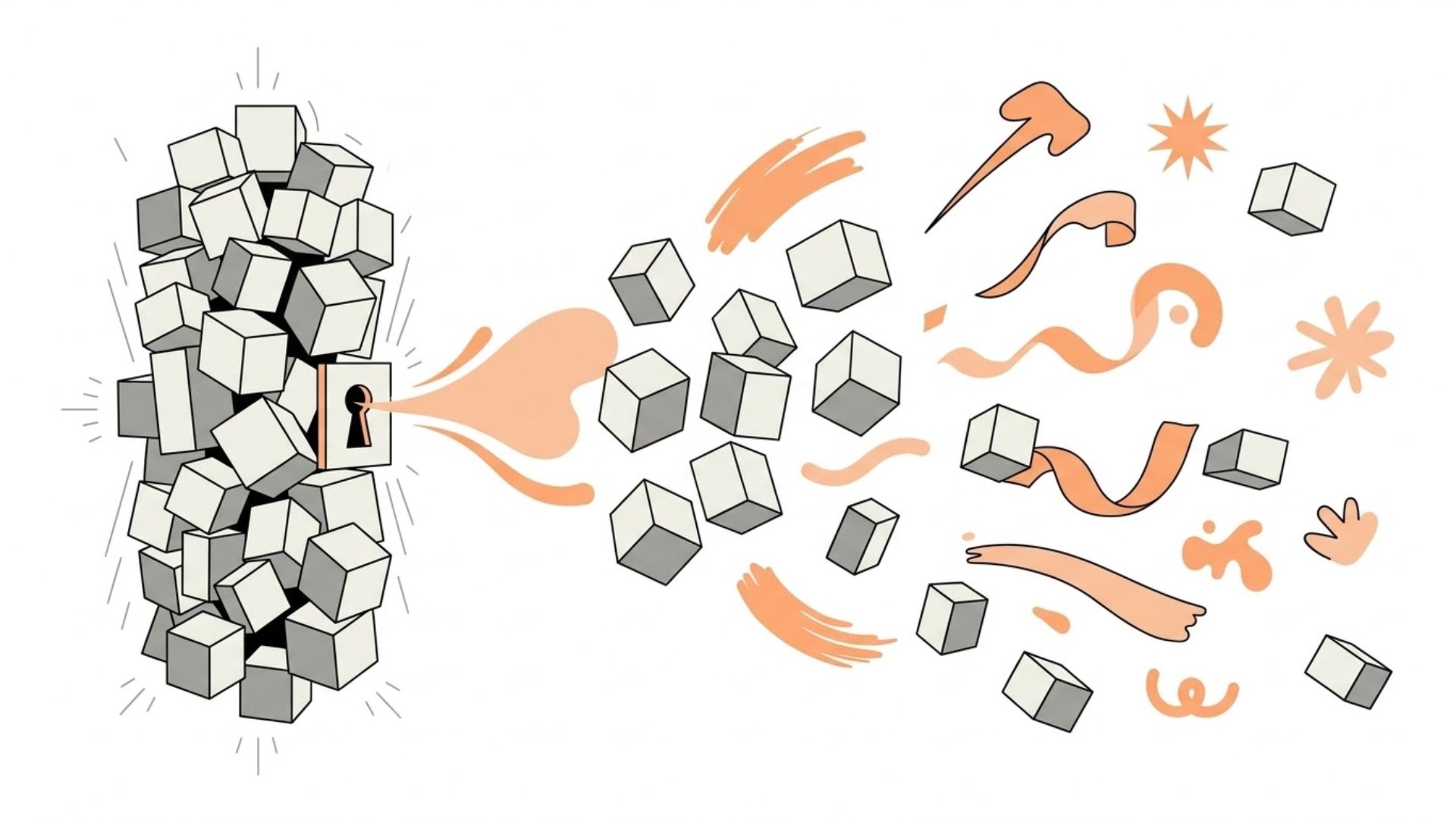
Instead of building every visual from scratch or briefing a photographer for every variation, teams can now take an existing image and reshape it entirely. Change the background. Adjust the lighting. Adapt the style to match a seasonal campaign. Swap product colors without a new photoshoot. Generate multiple ad creative variations from a single source image in minutes rather than days.
This is not speculative. Teams using image to image AI tools are producing content at a scale that simply was not achievable before, without inflating their production budget or burning out their creative staff. The quality is high enough for professional use, and the speed means campaigns can respond to trends and timing in a way that slow production cycles never allow.
For e-commerce brands, the impact is especially significant. Product visuals can be refreshed, repurposed, and tailored to different audiences without a full reshoot every time. For agencies managing multiple clients, the ability to generate visual variations quickly changes what is possible within a given retainer.
The bottleneck that used to slow everything down has become one of the easiest problems to solve.
The Other Half of the Problem: Everything That Is Not Design
Solving the visual content problem is a major win. But for most marketing teams, design is only one of several areas where capacity runs short.
Consider the broader marketing workflow. There are campaigns to plan, social media calendars to manage, email sequences to write, analytics to interpret, competitor activity to monitor, and a constant stream of ad copy, blog posts, and landing page updates to produce. Every one of these tasks requires time, attention, and a level of consistency that is hard to maintain when the team is stretched.
Many businesses respond to this by bringing in freelancers or agencies. Sometimes that works. But it introduces its own challenges. Coordination overhead. Inconsistent output quality. Briefing time that eats into the time saved. The cost is often higher than expected for the value delivered.
There is a more efficient model that more businesses are moving toward.
Delegating the Marketing Workload Without Losing Control
The shift toward specialized marketing support has accelerated significantly, and the most effective version of it is not a generalist agency or a revolving door of freelancers.
It is a dedicated resource that understands marketing deeply, works consistently within your processes, and handles the day-to-day execution that pulls your core team away from strategy.
The result is a cleaner division of labor. Your strategists focus on strategy. Your creatives focus on creative work. And the operational layer of marketing gets handled by someone whose entire role is built around executing it well.
This is not a compromise solution. For many growing businesses, it is the most cost-effective way to scale marketing output without the overhead of additional full-time hires or the unpredictability of managing multiple freelance relationships.
Making the Two Work Together
The real leverage comes when these two solutions work in parallel.
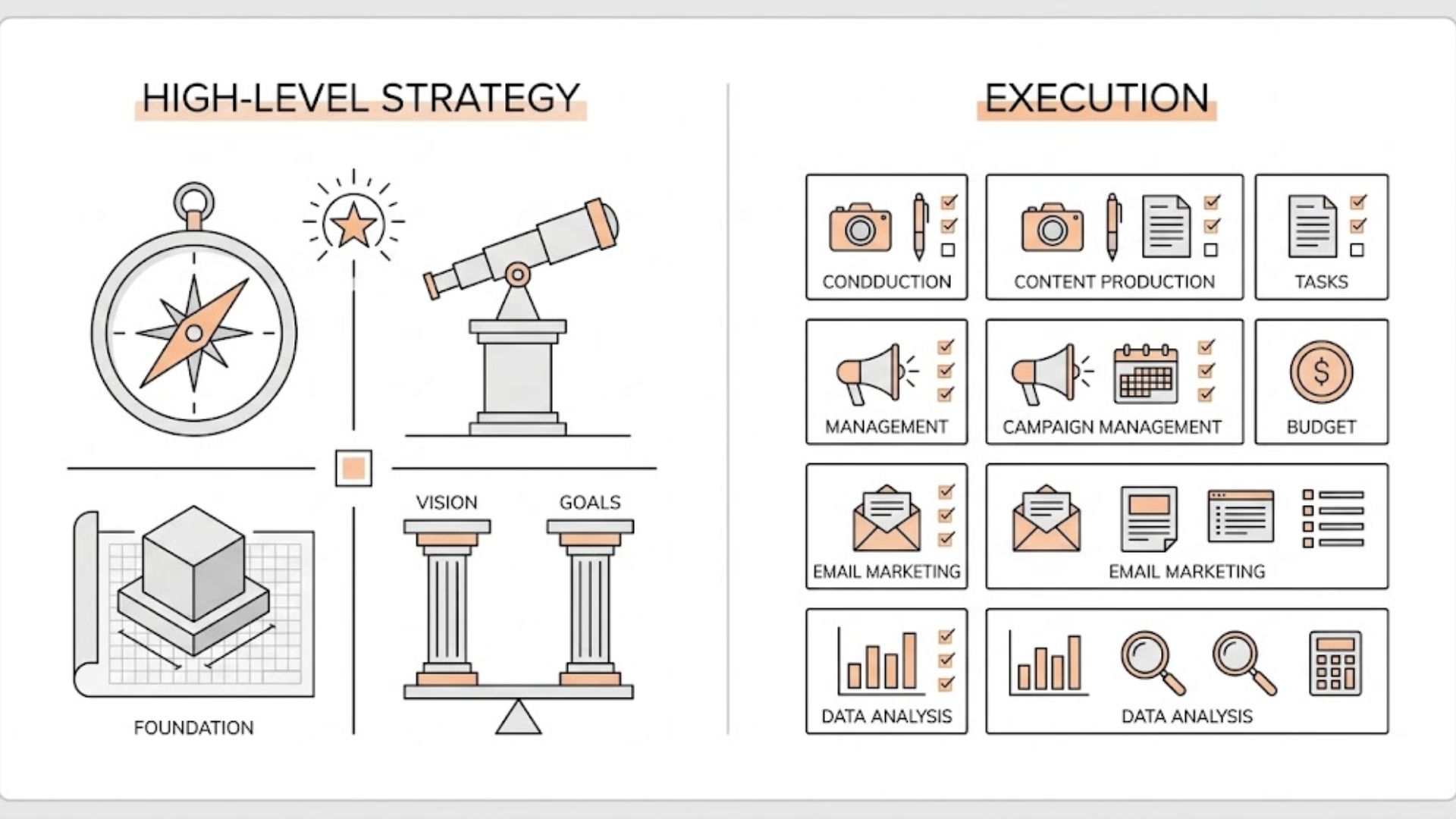
Think about what a typical content week looks like when both are in place. Your marketing virtual assistant manages the scheduling, coordinates publishing, pulls performance data, and handles the operational side of running campaigns. Simultaneously, your team uses AI image tools to keep visual content fresh, generate platform-specific creative variations, and respond to campaign needs without waiting on a design queue.
The combined effect is a marketing operation that moves faster, costs less per output, and keeps your senior team focused on the decisions that actually require their judgment.
This is the direction that well-run marketing teams are moving in. Not because the technology is new and exciting, but because it works. The output is higher. The overhead is lower. And the team actually has space to think, which is where the best marketing ideas come from anyway.
What This Means for How You Build Your Tech Stack
Adopting AI tools is not just a productivity decision. It is a signal about how seriously a business takes its operational efficiency.
The companies that invest in the right tools and the right support structures now are building a compounding advantage. They move faster, iterate more often, and extract more value from every marketing dollar they spend.
The companies that wait tend to reach the same conclusion eventually, just from a position of having already lost ground.
Getting the technology layer right matters too. The tools you use need to integrate cleanly with your existing workflows, and the platforms you build on need to be reliable. Working with experienced software development partners to ensure your marketing technology stack is built soundly, rather than stitched together with workarounds, is what separates teams that scale smoothly from those that hit a ceiling every time they try to grow.
The Questions Worth Asking Right Now
Before investing in any new tool or support structure, it helps to get honest about where the actual friction is.
Where is your team losing the most time each week? If the answer is visual production, AI image tools are a direct solution. If the answer is execution and operations, dedicated marketing support addresses it more effectively than adding another full-time hire.
What work requires genuine strategic or creative judgment, and what work is simply execution? The cleaner you can draw that line, the clearer it becomes which tasks belong in your team’s hands and which ones can be handled more efficiently elsewhere.
How much is the current bottleneck actually costing you? Slow creative production means missed campaign windows. Overloaded team members mean strategy suffers. These costs are real, even when they do not show up as a line item on a budget.
The answers usually point toward a combination of smarter tooling and smarter delegation. Not one or the other.
Doing More With What You Already Have
The goal here is not to make marketing more complicated. It is to make it more sustainable.
Great marketing requires creativity, strategic thinking, and the ability to respond to what is happening in real time. None of that is possible when the team is buried in production tasks, scrambling to hit publishing schedules, and too stretched to think clearly about what is actually working.
AI-powered visual tools handle the production load that used to consume hours of creative time. Dedicated marketing support handles the operational execution that pulls strategists away from strategy. Together, they create the conditions for better work.
Your team does not need to work harder. They need the right support around them to do the work that actually matters.
That is not a future ambition. For the businesses that have made these shifts, it is already their everyday reality.