
Outbound System, Belkins, CIENCE, SalesRoads, Callbox, Sopro, Martal Group, EBQ, RevBoss, and SalesAR are the 10 best cold email agencies that understand SEO-driven lead generation and turn search intent into booked meetings.
Cold email and SEO rarely live in the same strategy document, yet the most successful B2B companies use them as complementary channels – often starting with a revenue-focused B2B SEO strategy to identify high-intent demand.
When cold email agencies understand how your SEO strategy identifies high-intent segments and validates messaging, your outbound campaigns reach qualified prospects with content that already resonates.

This guide helps B2B teams that want booked sales meetings within 30–90 days while maintaining alignment between their organic search presence and outbound outreach. You’ll learn how to evaluate agencies through a dual-channel lens, discover ten vetted partners with specific use cases, and build a 90-day pilot that protects both your domain reputation and search visibility.
Table Of Contents
Why Cold Email and SEO Should Inform Each Other
Your SEO data reveals what prospects actually search for, which pain points drive intent, and which content converts visitors. Your cold email campaigns test messaging at scale, uncover objections before they reach your site, and generate qualified conversations faster than organic rankings alone.
Smart agencies use SEO keyword research to shape cold email copy, mine search console data for prospect pain points, and align outbound messaging with the content prospects already engage with on your site. This creates consistency across touchpoints and shortens the path from cold contact to qualified meeting.
The SEO-Email Flywheel
When outbound messaging mirrors the language prospects use in search queries, reply rates improve because you’re speaking their vocabulary. When cold email replies surface new objections or questions, that insight shapes your content strategy and creates search-optimized resources that answer those questions. This feedback loop compounds over time.
Landing pages designed for cold email campaigns can also drive organic traffic when optimized for relevant commercial intent keywords. Case studies you create for outreach become linkable assets that support your backlink profile. Email signature links and meeting follow-up resources create natural opportunities to direct prospects to helpful, SEO-optimized content.
Protect Domain Authority and Sender Reputation Simultaneously
Your domain serves two masters: it must maintain sending reputation for email delivery and domain authority for search rankings. Poor cold email practices can damage both. Spam complaints hurt sender reputation directly, but they can also trigger broader trust signals that search engines monitor.

What Deliverability Readiness Looks Like
Gmail’s 2024 requirements for bulk senders include SPF and DKIM authentication, DMARC with alignment, valid forward and reverse DNS records, TLS encryption, and RFC 5322-compliant formatting. Yahoo enforces similar standards plus a hard cap on spam complaints at 0.3%. Google advises keeping spam rates below 0.1%.
Warm new domains gradually, starting at 20–30 emails per mailbox per day and increasing only when bounce and spam rates stay low. Monitor Gmail Postmaster Tools daily and pause sends when reputation dips to “Low” or “Bad”.
The SEO-Email Domain Strategy
Your subdomain strategy should consider both email authentication and search equity. Subdomains inherit some authority from the root domain but maintain separate sender reputations. This isolation protects your primary web presence while still allowing you to build legitimate email infrastructure.
Avoid using domains that could confuse search engines or users about your brand identity. Don’t create misleading subdomain names that could appear manipulative to either email providers or search algorithms. Transparency builds trust across all channels.
Match These Ten Cold Email Agencies To Use Cases Where They Excel and Understand Digital Strategy
Start with fit, not fame. The agencies below are selected for specific use cases and their ability to operate within a broader digital marketing context. Always validate fit against your deal size, sales motion, region coverage, and digital strategy maturity. Back your decision with references and a 90-day pilot.
1) Outbound System – Best for Founder-Led B2B Teams With Strong Content Foundations
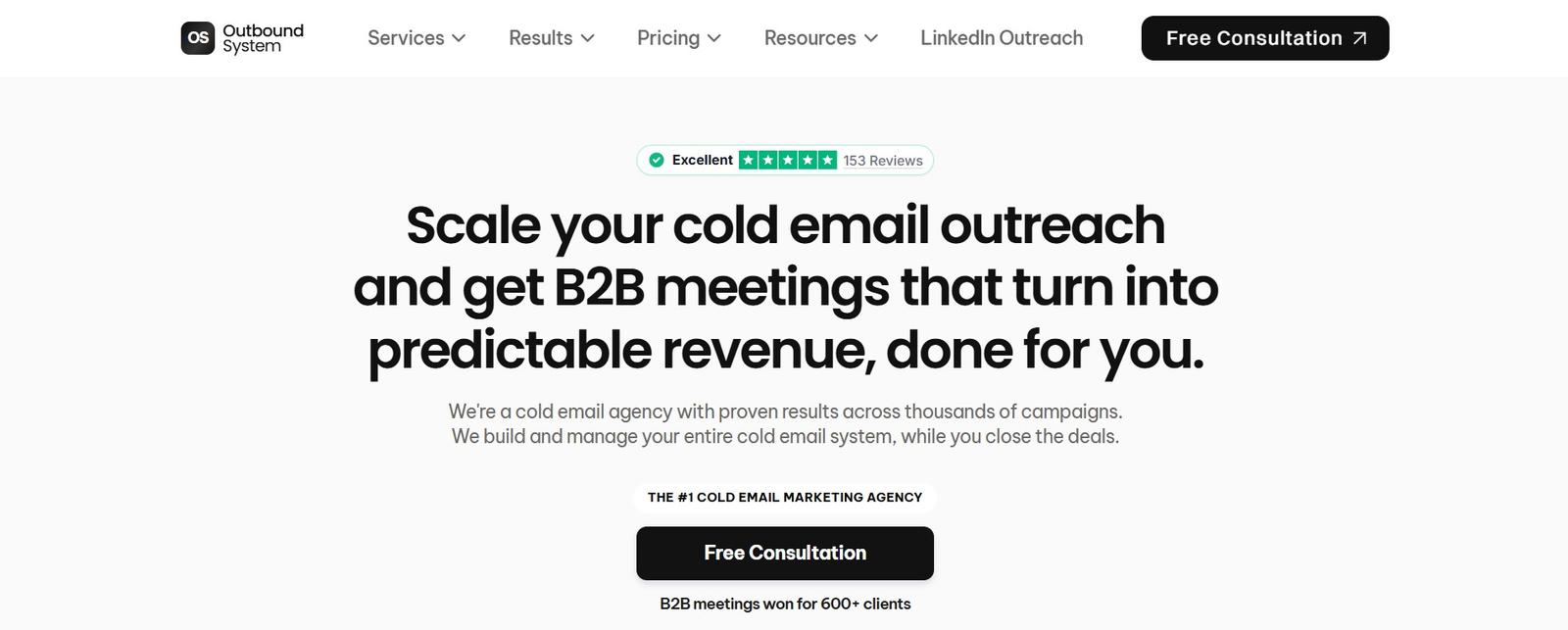
Outbound System works best for early-stage to mid-market B2B teams that already invest in content marketing and SEO but need to accelerate pipeline through compliant outbound. They focus on deliverability-first programs that complement rather than compete with organic efforts.
Their approach suits companies where founders understand the value of message consistency across channels. If your SEO strategy already identifies high-intent topics and buyer personas, Outbound System can translate those insights into targeted cold email campaigns that speak the same language as your organic content.
Validate their inbox placement process, domain isolation strategy, and willingness to align messaging with your existing content themes. Ask how they use client search data to inform ICP segmentation and copy development. Confirm one-click unsubscribe implementation and reply classification rubric.
2) Belkins – Best for Appointment-Setting With Content-Backed Research
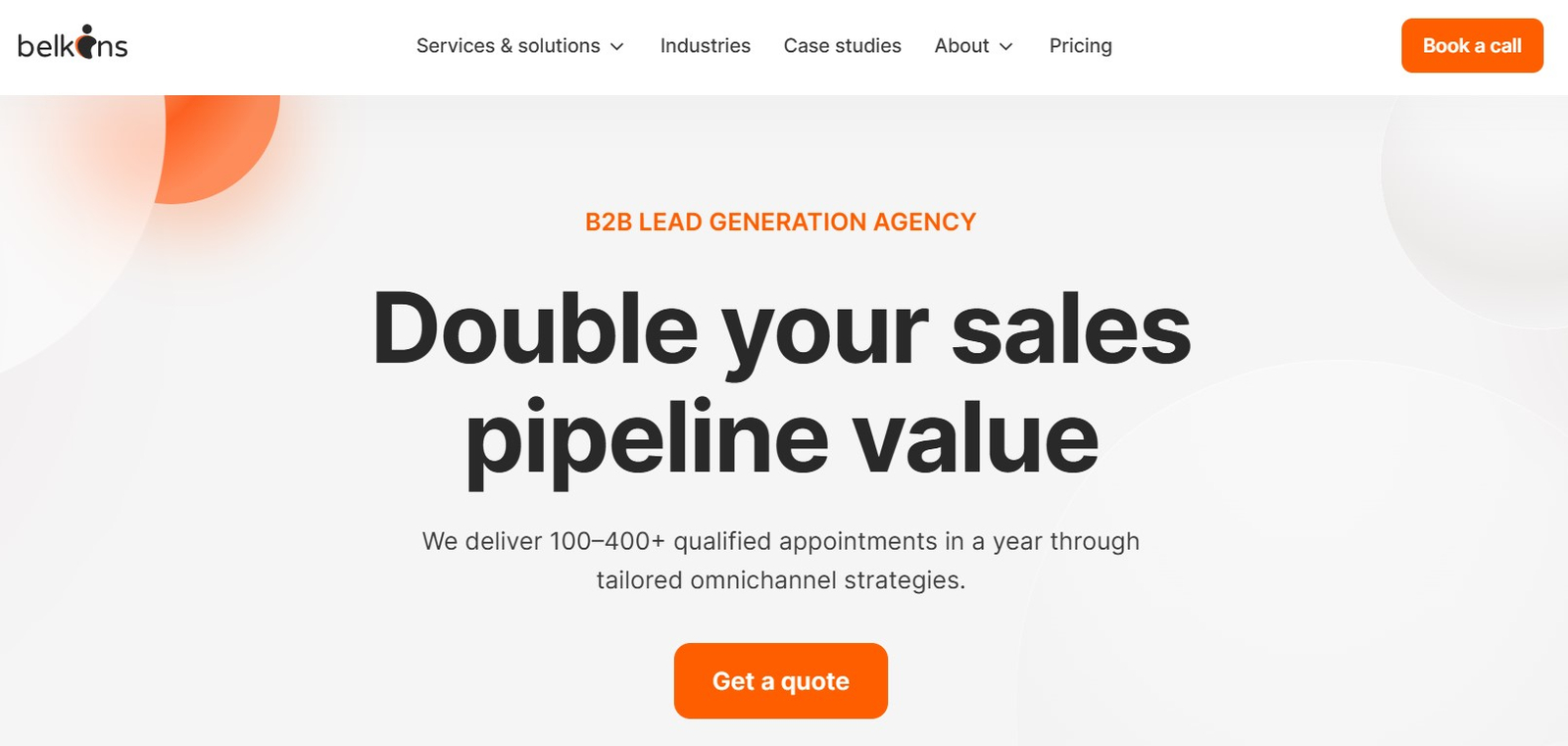
Belkins excels when deep account research meets strong content assets. If your company produces case studies, whitepapers, and industry reports that rank organically, Belkins can reference this material strategically in outreach sequences to build credibility before asking for meetings.
Their hand-crafted approach works when you need outreach that feels like a natural extension of your thought leadership rather than generic cold outbound. Validate their data provenance, research methodology, and how they incorporate client content assets into sequences.
3) CIENCE – Best for Complex Multi-Market Programs With Localized Content
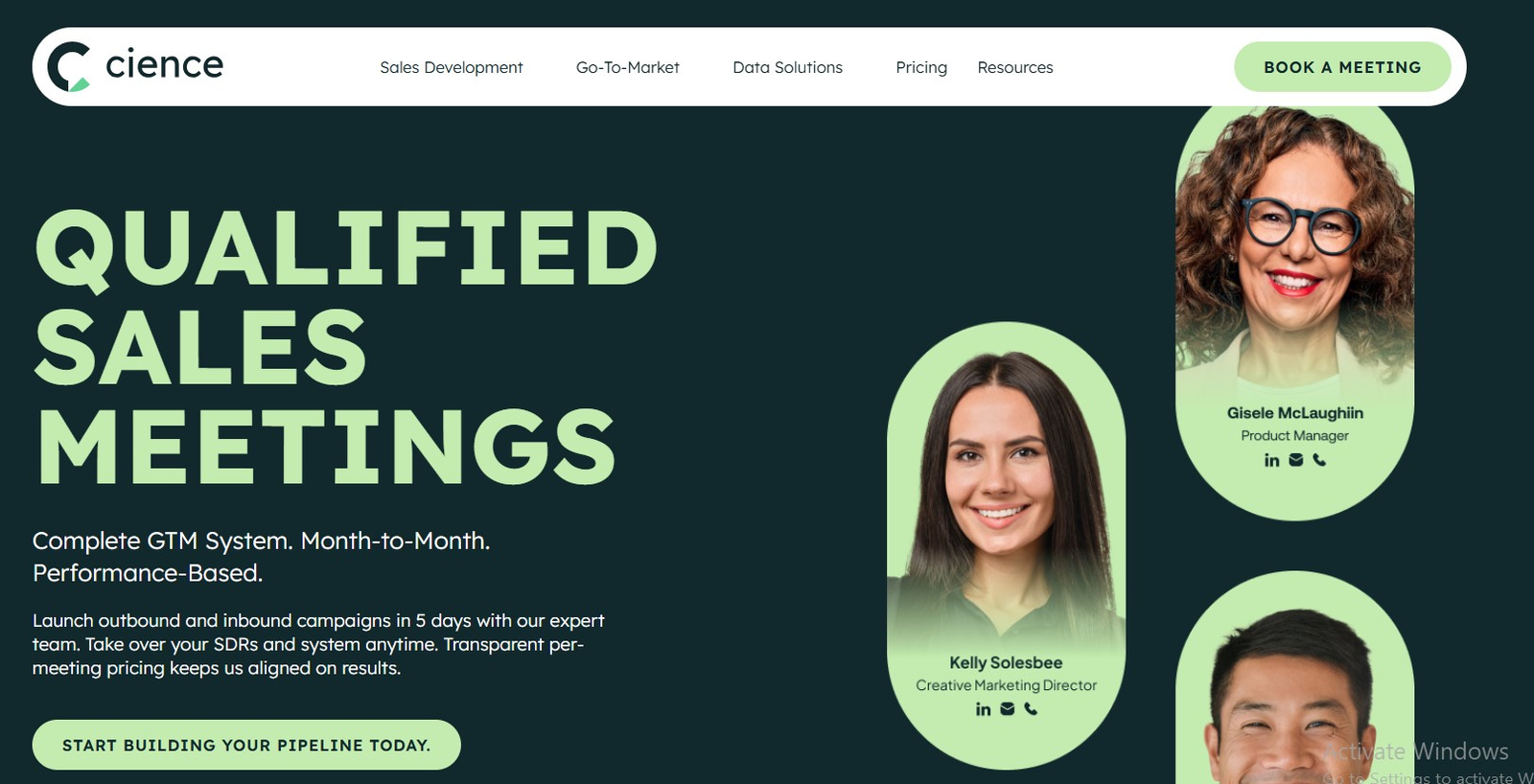
CIENCE suits enterprises with multiple regions requiring both email governance and localized content strategies. If your SEO program spans multiple languages and you need cold email that respects regional search behavior and compliance requirements, CIENCE provides the infrastructure and QA processes to maintain consistency.
Validate their global deliverability controls, regional content adaptation process, and how they handle multilingual landing page creation for campaign-specific offers.
4) SalesRoads – Best for High-ACV Deals Where Content Nurtures Phone Conversations
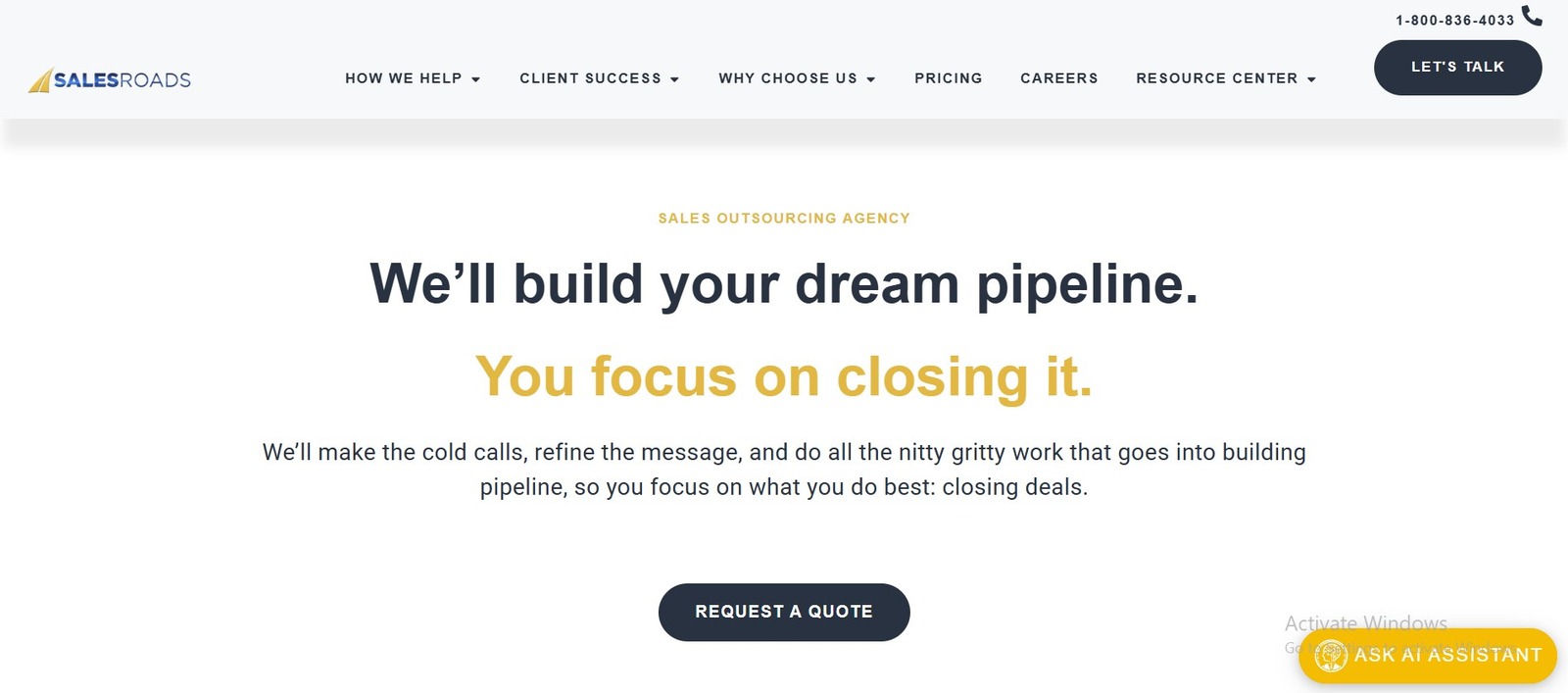
SalesRoads integrates phone and email for executive-level targets, working well when your content strategy includes executive guides, calculators, and tools that support sales conversations. Their orchestrated approach lets cold email warm prospects with relevant content before phone conversations begin.
Validate their call-plus-email sequencing, content handoff logic, and TCPA compliance. Ask how they track which content assets drive conversations forward and feed insights back to your content team.
5) Callbox – Best for Global Coverage With Integrated Lead Nurturing Across Channels
Callbox handles multilingual outreach and integrated lead management, valuable when your digital strategy includes content hubs in multiple languages and you need email programs that direct prospects to region-appropriate resources.
Validate their content localization capabilities, landing page integration, and how they handle timezone-based content delivery. Ask how they attribute conversions across email, content, and organic touchpoints.
6) Sopro – Best for UK/EU Compliance-First Programs With GDPR-Aligned Content
Sopro prioritizes PECR and GDPR compliance, critical when your European SEO strategy must align with strict data regulations. Their corporate subscriber focus suits companies with strong UK organic presence who need outbound that respects the same compliance standards.
Validate their lawful basis documentation, consent management, and how they handle content offers that require data processing agreements. Ask how sole traders and partnerships are treated versus corporate subscribers.
7) Martal Group – Best for Tech Firms With Vertical-Specific Content Libraries

Martal Group serves B2B tech companies with vertical-specific messaging, working well when you’ve built SEO authority in particular niches and need cold email that leverages that positioning. If you rank for category-defining terms in your vertical, Martal can extend that authority into outbound conversations.
Validate their vertical case proof, SDR industry knowledge, and how they use client thought leadership content in sequences. Ask how product nuances from your site translate into personalized opening lines.
8) EBQ – Best for Pipeline Support Across Marketing, Sales, and Content Operations
EBQ spans marketing operations, SDR, and AE support, suitable for organizations wanting full-funnel alignment between content, search, and outbound. Their cross-functional approach suits companies where content marketing, SEO, and sales development report to integrated revenue goals.
Validate their content-to-outbound workflow, lead scoring that incorporates organic engagement signals, and SLA adherence. Ask how blog readers transition to outbound sequences and how form-fills on organic landing pages enter nurture streams.
9) RevBoss – Best for SaaS Teams Running Structured Content and Messaging Experiments
RevBoss values testing velocity and offer iteration, ideal for SaaS companies running parallel experiments across paid, organic, and outbound channels. If your content team A/B tests headlines and value props, RevBoss can test similar variants in email at higher velocity.
Validate their experiment cadence, variant tracking infrastructure, and how insights flow between email tests and content briefs. Ask about minimum sample sizes and how they avoid retesting concepts that failed in other channels.
10) SalesAR – Best for Cost-Sensitive Startups With Basic Content Assets
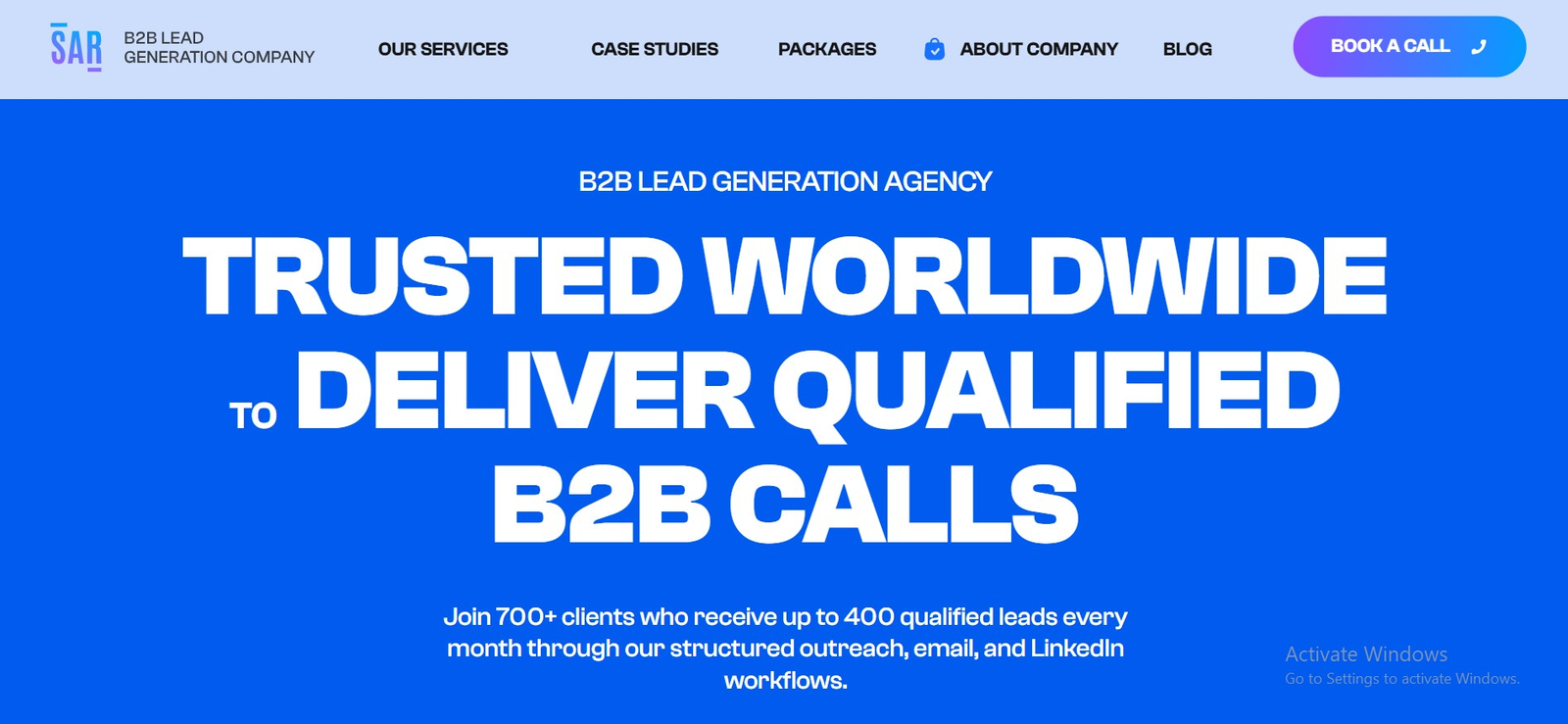
SalesAR offers affordable outreach with basic deliverability controls, suitable for startups with limited content libraries who need volume-based prospecting while building organic presence. Their model works when you’re still validating product-market fit and need feedback loops between outbound and content faster than SEO can deliver.
Validate their data validation rigor, domain warm-up plan, and willingness to share response data that can inform content priorities. Ask how bounce rate stays under 2% and what reporting they provide on common objections that could become content topics.
Red Flags That Predict Domain Risk and Channel Conflict
Specific warning signs should end conversations immediately. These signals predict deliverability issues, domain contamination, or practices that create friction between your email and organic strategies.
Deliverability and Domain Red Flags
No access to Gmail Postmaster Tools or refusal to share reputation metrics. Promises of guaranteed inbox placement that dismiss spam thresholds. Use of shared infrastructure or tracking redirects through unrelated domains that could trigger search quality filters. Insistence on using your primary domain for cold email without proper subdomain isolation.
Data and Content Red Flags
Scraped, unvalidated lists with no validation stack. Refusal to sign Data Processing Agreements or document lawful basis. Generic messaging that contradicts your brand voice and content positioning. No suppression management that could lead to emailing site visitors who’ve already opted out.
Measurement and Integration Red Flags
Primary KPI is opens instead of positive replies and meetings. Unwillingness to define qualification criteria. Pay-per-meeting offers with no ICP definition. Lack of integration between email data and web analytics that prevents cross-channel attribution. Resistance to sharing reply data that could inform content strategy.
Run a 90-Day Pilot That Tests Agency Fit While Building Channel Synergy
A structured pilot creates enough volume to judge fit while protecting domain reputation and testing channel integration. Agree upfront on specific targets, reporting integration, and how email insights will flow back to content and SEO teams.
Weeks 0–2: Foundations, Warm-Up, and Channel Mapping
Audit domains and DNS. Set up SPF, DKIM, and DMARC with proper subdomain isolation. Connect Gmail Postmaster Tools. Define ICP segments that map to existing SEO personas. Document how each email segment aligns with organic search intent categories.
Provision mailboxes and subdomains. Begin warm-up with your highest-quality segments. Pull keyword research and search console data to identify prospect language and pain points. Create a shared document mapping email copy themes to organic content assets. Validate 200–500 records per segment before full list commitment.
Weeks 3–4: MVP Launch With Content Integration
Launch MVP sequences to your most likely segment. Include relevant content offers that lead to tracked landing pages. Monitor bounces, blocks, spam complaints, and landing page conversion. Categorize replies by objection type and map to potential content gaps.
Verify calendar links, AE handoff flow, and Google Analytics event tracking for email-sourced visits. Maintain bounce under 2%, spam rate below provider thresholds, and baseline conversion on campaign landing pages.
Weeks 5–8: Expand Testing and Close Content Feedback Loops
Run tests across subject lines, opening lines, and CTAs informed by your top organic headlines and meta descriptions. Introduce a second segment if MVP signals are healthy. Share reply data with content team weekly to identify recurring questions that could become blog posts or guides.
Test different content offers across segments to understand which asset types accelerate conversations. Hold weekly cross-functional reviews where email performance informs content priorities and new published content gets tested in active sequences.
Weeks 9–12: Scale and Document Cross-Channel Learnings
Scale into additional segments if reputation and results hold. Lock in best-performing variants and document messaging themes for SEO team. Create a pilot closeout report covering pipeline impact, cost per qualified meeting, content assets with highest engagement, search terms validated through email, and objections that should become content topics.
Present clear recommendation to continue, iterate, or stop, with specific rationale tied to both email metrics and broader marketing KPIs.
Follow Region-Specific Email Laws While Respecting Search Quality Guidelines
Email compliance and search quality guidelines share common ground: transparency, user consent, and respect for user experience. Strong practices in one area typically support the other.
About the Author
Jay Patel is the Founder of XSquareSEO, a full-service SEO agency with experience in on-page SEO, eCommerce SEO, link building, technical SEO, SaaS SEO, and local SEO. For more information, feel free to contact us.
Explore More Guides
Most Asked WordPress Questions
Managed WordPress Hosting Guide
Australian Business Digital Shift
5 Best Sentence Expanders
Marketing Data Integration Tools
SEO Tips for Tech Startups
AI SEO Strategy Guide
SaaS Signup Search Strategy
Get Mentioned in ChatGPT