
All-in-One SEO Audit Services for Small, Medium, and Large Websites
Uncover hidden issues holding your site back with our expert SEO audit services. We identify technical errors, content gaps, and keyword problems so you can fix rankings, boost visibility, and get more traffic that actually converts.
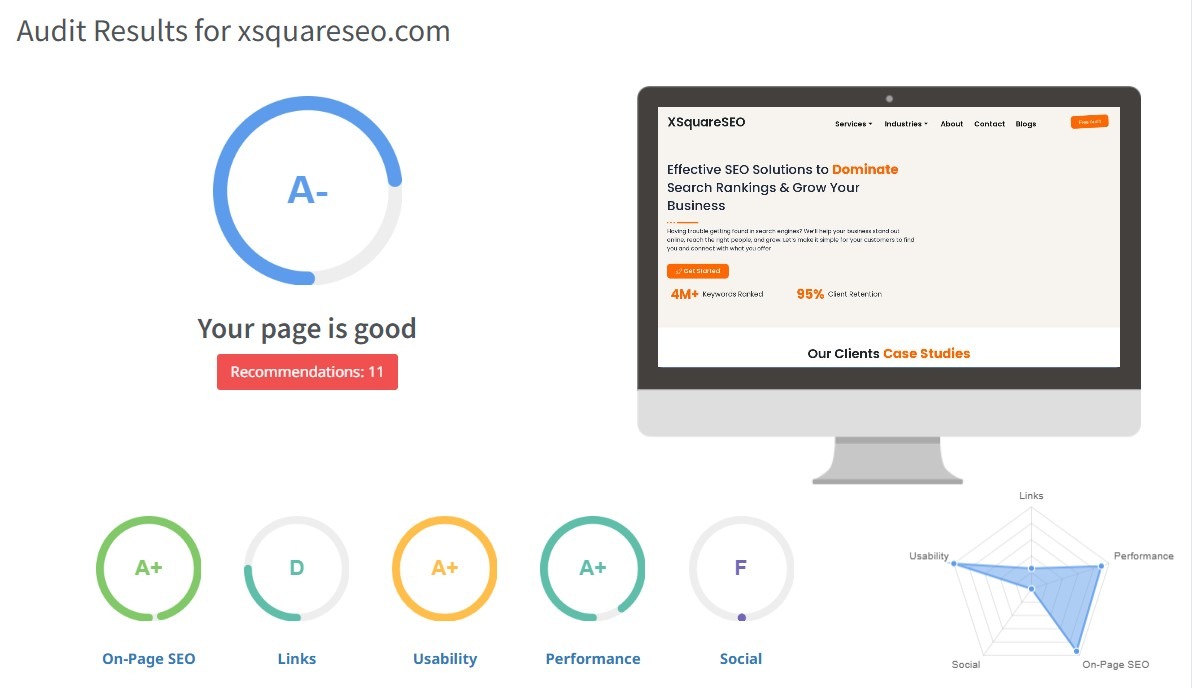
SEO Audit Services: A Complete Guide to Understanding and Using Them
Have you recently checked the health of your website? A website may look fine on the surface, but hidden issues can quietly hurt rankings, traffic, and conversions. That’s where SEO audit services come in.
An SEO audit works like a detailed checkup for your site. Just like you wouldn’t drive a car for years without maintenance, running a website without audits is risky. Search engines keep evolving, and a site that ranked well last year may struggle today if issues go unnoticed.
Imagine running an online store where product pages load slowly or critical keywords are missing. Even with top-quality products, fewer customers will discover you. With SEO audit services, problems like broken links, duplicate content, or weak on-page optimization are revealed, giving you the chance to fix them before they affect your bottom line.
This article breaks down what SEO audits involve, why they matter, and how professional services can help businesses grow sustainably. Whether you run a small blog or a large e-commerce store, understanding SEO audits can save you time, money, and lost opportunities.
What Are SEO Audit Services?
An SEO audit involves assessing a website to find technical, on-page, and off-page issues that impact search performance. SEO audit services are professional solutions that handle this process for businesses, using tools, expertise, and proven methods to uncover problems.
Key Areas Covered in SEO Audit Services:
- Technical SEO – site speed, crawl errors, indexing issues.
- On-Page SEO – quality of content, meta tags, headings, and internal links.
- Off-Page SEO – backlinks, brand mentions, domain authority.
- User Experience (UX) – mobile-friendliness, navigation, page layout.
- Content Analysis – duplicate content, keyword optimization, thin pages.
By combining these areas, SEO audits provide a full picture of where a site stands and what actions are needed for better visibility.
Why Businesses Need SEO Audit Services
Some business owners assume that once SEO is set up, it will work forever. Unfortunately, this isn’t true. Competitors update their sites, search engine algorithms change, and user behavior shifts. Regular audits keep your site in line with these changes.
Real-world example:
A local bakery website once ranked high for “best cakes near me.” Over time, competitors optimized their listings, and the bakery’s site dropped in rankings. An audit revealed slow mobile loading speed and missing schema markup. After fixing these, the site regained visibility within weeks.
Benefits of SEO Audits:
- Find and fix technical errors before they affect rankings.
- Discover content gaps and opportunities for better keyword targeting.
- Improve user experience, which can reduce bounce rates.
- Strengthen backlink profile and identify harmful links.
- Stay competitive by adapting to search engine changes.
Without regular audits, businesses risk losing traffic and revenue to competitors who are more proactive.
Core Components of Professional SEO Audit Services
A professional SEO audit doesn’t stop at pointing out issues—it explains what’s wrong, why it matters, and how to fix it. Below are the main components every business should focus on.
1. Technical SEO Audit
This stage checks the backbone of your website. Site speed, mobile responsiveness, HTTPS security, and indexation are reviewed to ensure smooth performance. Tools like Google Search Console and Screaming Frog help uncover crawl errors, making sure search engines can easily access and interpret your content.
2. On-Page SEO Audit
Here, the focus shifts to the visible elements of your website. Meta titles, descriptions, and heading structures are analyzed to confirm they’re both search-friendly and user-focused. Keyword usage, relevance, and internal linking are assessed, while URL structures are reviewed for clarity and SEO strength.
3. Content Audit
Content remains the core of SEO. An audit highlights duplicate, thin, or outdated material that could hurt rankings. It also checks keyword targeting, readability, and alignment with user intent. From blog posts to landing pages and product descriptions, recommendations are made to strengthen quality and engagement.
4. Off-Page SEO Audit
Your site’s authority is strongly influenced by external signals. Backlink profiles are examined for quality, diversity, and authority, while harmful or spammy links are flagged for removal. Local SEO elements, such as business listings and citations, are also reviewed to ensure consistency and trustworthiness.
5. UX and Conversion Audit
A website isn’t just for ranking—it must convert visitors into customers. This audit evaluates design, navigation, and accessibility, making sure the experience is smooth across devices. Call-to-action placement and conversion funnels are reviewed to identify opportunities for higher engagement and sales.
How SEO Audit Services Work: Step by Step
Professional SEO audit services follow a clear framework to uncover issues and turn insights into measurable improvements.
Step 1: Initial Consultation
The process starts by identifying your business goals, target audience, and key challenges. This ensures the audit is aligned with your specific objectives rather than applying a generic approach.
Step 2: Data Collection
Specialized tools like Ahrefs, SEMrush, and Google Analytics are used to gather performance data. This includes keyword rankings, traffic trends, technical metrics, and backlink profiles, providing a foundation for analysis.
Step 3: Audit Execution
The website is thoroughly checked for technical issues, content gaps, and backlink quality. From crawlability to on-page SEO and off-page signals, every factor affecting visibility is reviewed.
Step 4: Report Creation
Findings are compiled into a comprehensive report that highlights issues and explains their impact. Each problem is paired with recommended fixes, so businesses know exactly what needs attention.
Step 5: Strategy and Implementation
The audit goes beyond identifying problems. Actionable strategies are provided—whether it’s fixing broken redirects, restructuring content, or improving internal linking. Many providers also assist with implementation.
Step 6: Monitoring and Follow-Up
After changes are made, progress is tracked to measure improvements in rankings, traffic, and conversions. This ensures the audit delivers long-term results rather than a one-time checklist.
✅ By following these steps, SEO audits transform data into a practical roadmap that strengthens search performance and supports business growth.
Choosing the Right SEO Audit Services
Not all SEO audits deliver the same value. While some companies rely on automated reports, we believe the best results come from in-depth analysis backed by human expertise. Here’s what we focus on when providing our services:
- Experience and Case Studies – We share proven results and real examples, so you know exactly what kind of impact our audits can create.
- Tools That Matter – We use industry-leading platforms like Ahrefs, SEMrush, and Moz to ensure every audit is accurate and reliable.
- Customization – Every business is different. Our audits are tailored to your goals, whether it’s boosting local visibility, fixing technical issues, or improving conversions.
- Ongoing Support – We provide more than just a report. Our team guides you through implementation and ensures recommended fixes drive real improvements.
- Transparency – Our reports are written in plain language, free of confusing jargon, so you can clearly understand the next steps.
A Quick Example
Imagine two businesses investing in SEO audits. One gets a generic 50-page automated report with no clear action plan. The other works with us and receives a focused roadmap, highlighting top priorities and solutions. The second business sees results faster—because we make audits actionable, not overwhelming.
Common Mistakes Businesses Make Without SEO Audits
Many businesses skip regular SEO audits, and as a result, they fall into patterns that hurt rankings and user experience. Some of the most common mistakes include:
- Neglecting site speed and mobile optimization – Slow, unresponsive sites annoy users and drive them away.
- Stuffing keywords without checking readability – Over-optimized content may rank poorly and discourage visitors from engaging.
- Building backlinks without monitoring quality – Low-quality or spammy links can damage credibility instead of boosting authority.
- Overlooking technical errors – Broken links, crawl issues, and indexing problems often go unnoticed until they hurt performance.
- Relying on outdated content – Assuming old blogs or pages are still effective can lead to missed opportunities and declining visibility.
✅ Regular SEO audits make it easier to spot these issues early, fix them effectively, and keep your website performing at its best.
Conclusion
SEO audit services are more than just reports—they’re tools for growth. By uncovering hidden issues and providing clear solutions, audits help businesses stay visible, competitive, and user-friendly.
Consider an SEO audit as routine checkup care for your website. Waiting until traffic drops is like visiting the doctor only after an illness worsens. Regular checkups keep your website strong, healthy, and ready to bring in consistent results.
Whether you run a small business or manage a large online platform, investing in SEO audit services ensures your site remains a reliable asset in attracting and converting visitors.
FAQs
Q1: What is the purpose of SEO audit services?
SEO audit services identify technical, on-page, and off-page issues that affect website performance. They provide actionable insights to improve rankings, increase organic traffic, and enhance user experience.
Q2: How often should I get an SEO audit?
Most businesses benefit from an SEO audit every 6–12 months. However, fast-changing industries or websites with frequent updates may need audits every 3–6 months.
Q3: What tools are commonly used in SEO audits?
Popular tools include Google Search Console, Ahrefs, SEMrush, Moz, Screaming Frog, and PageSpeed Insights. Each tool helps identify specific technical, content, or backlink issues.
Q4: Can I do an SEO audit myself?
Basic audits can be done with free tools like Google Search Console. However, professional services provide deeper insights, advanced tools, and expertise to uncover hidden problems that DIY methods often miss.
Q5: What are the main steps in an SEO audit service?
Steps include consultation, data collection, site scanning, report creation, strategy recommendations, and monitoring. This process ensures problems are identified and fixed effectively.
Q6: How do SEO audit services improve rankings?
By fixing technical errors, optimizing content, improving backlinks, and enhancing user experience, SEO audits create stronger signals for search engines, leading to higher rankings and more traffic.
Q7: What is the difference between a free SEO audit and paid services?
Free audits often provide automated, surface-level reports. Paid services offer detailed, tailored analysis with expert recommendations and actionable strategies for real improvement.
Q8: Do small businesses need SEO audit services?
Yes, small businesses benefit greatly from audits. Even minor technical or content issues can limit visibility, and audits help ensure local customers find and trust their website.