
Search engines, including Google, penalize content that delivers no real value to readers. It is often short, generic, and generated in a hurry. Such content is often labelled as ‘thin’ content. It can affect your site’s SEO, which ultimately leads to lower rankings and reduced traffic.
So, it’s advised that you should make sure that your content doesn’t sound thin to both readers and search engines. The good news is that we have made a list of some useful tips that can help you improve your content and turn thin pages into authentic and helpful resources. Let’s find out what you need to do to get rid of thin content.
Table Of Contents
Know the Purpose of the Page
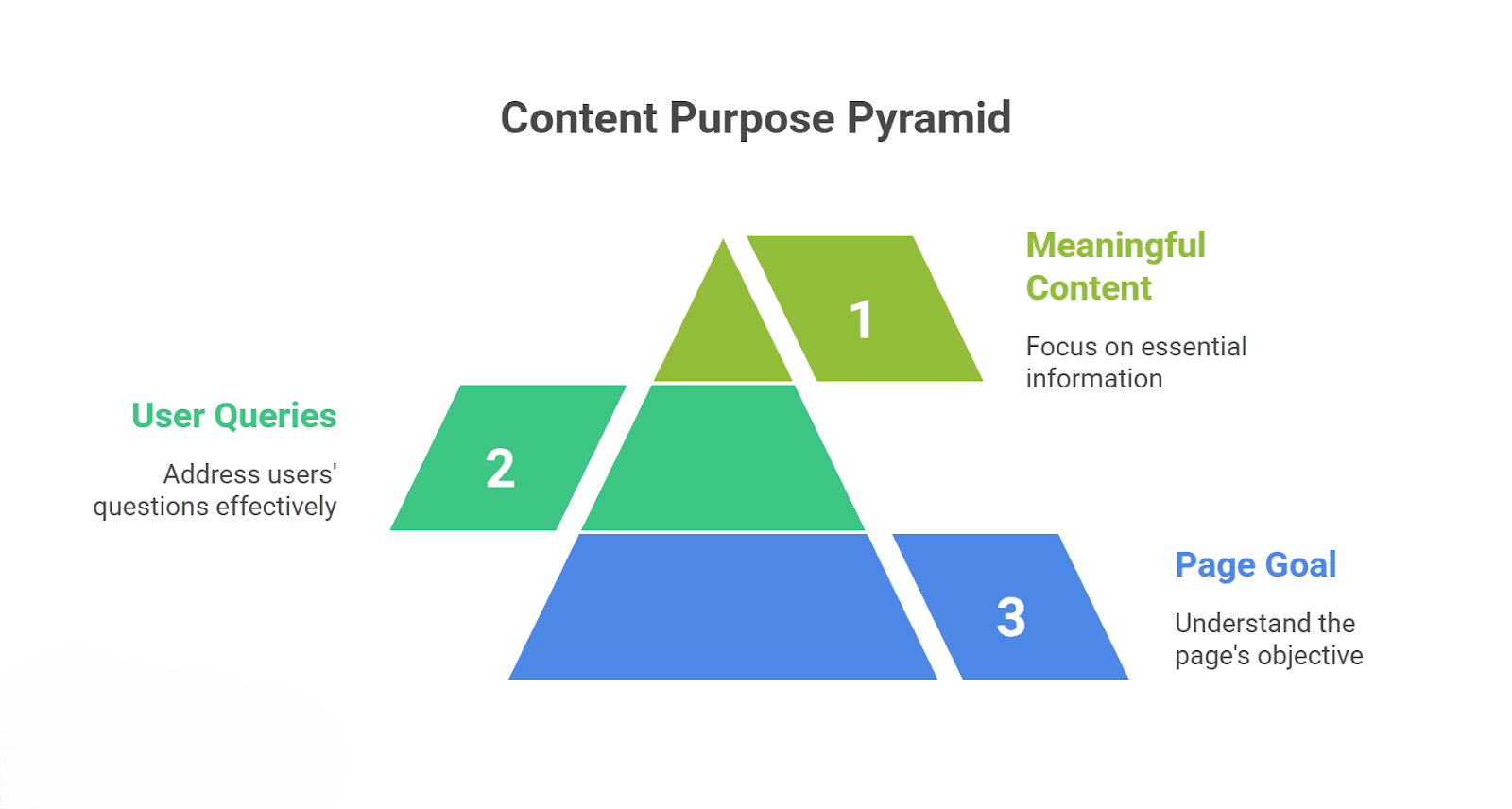
The first thing is to get familiar with the goal of the page. Ask yourself a few questions:
· Why did you create this page?
· Does it offer a solution to users’ queries?
It’s about knowing ‘’why does the page exist.’’ Let’s understand this through an example. Suppose you have a page covering ‘’best running shoes,’’ its purpose might be to assist users in choosing the right pair of running shoes. If this page doesn’t cater to this, it means it is not fulfilling its purpose.
When you understand the purpose, it’s easier for you to focus on what matters. You simply skip adding unnecessary information, and each sentence of your content serves the reader in a meaningful way.
Explain Content with Detailed Information
Thin content feels unhelpful and lacks depth. Readers expect a detailed solution to their problem. So, your content should deliver a valuable solution by covering the topic in detail. It should not leave your readers unclear or confused. They should not walk away with a feeling that the page doesn’t offer a helpful answer to their queries.
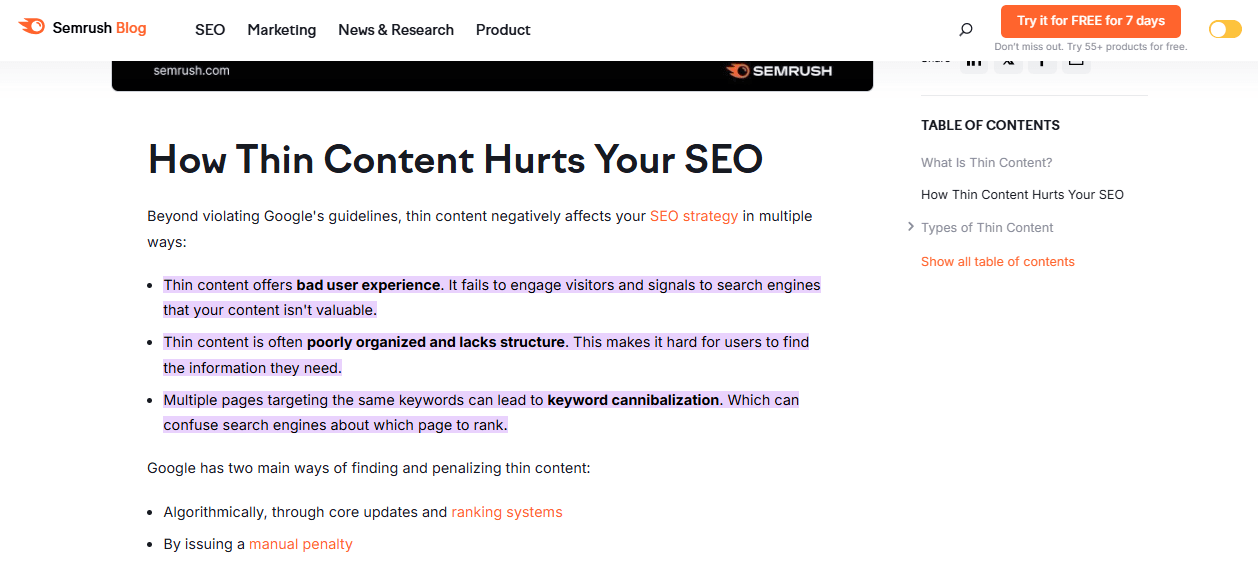
The better approach is to break topics into smaller points and then explain them thoroughly.
For example, if your page discusses ‘’how to grow potatoes,’’ leaving some important information might make it ‘’thin’’ or ‘’unhelpful.’’ You should cover everything like:
· Explaining the soil types that work best for potatoes.
· Giving clear instructions on spacing between plants.
· Sharing useful tips to avoid pests.
· Talking about watering and sunlight requirements without any ambiguities.
Sometimes it may be challenging to explain a topic comprehensively without missing any detail. In such a scenario, you can rely on AI paragraph writer for generating well-structured, informative paragraphs that fill in gaps and ensure your readers get a complete, valuable answer.
Add Examples and Case Studies
Examples make content easy to understand. They also show that you know the topic well. Helpful content explains the topic through examples and case studies because they help readers visualize the concept for a better understanding.
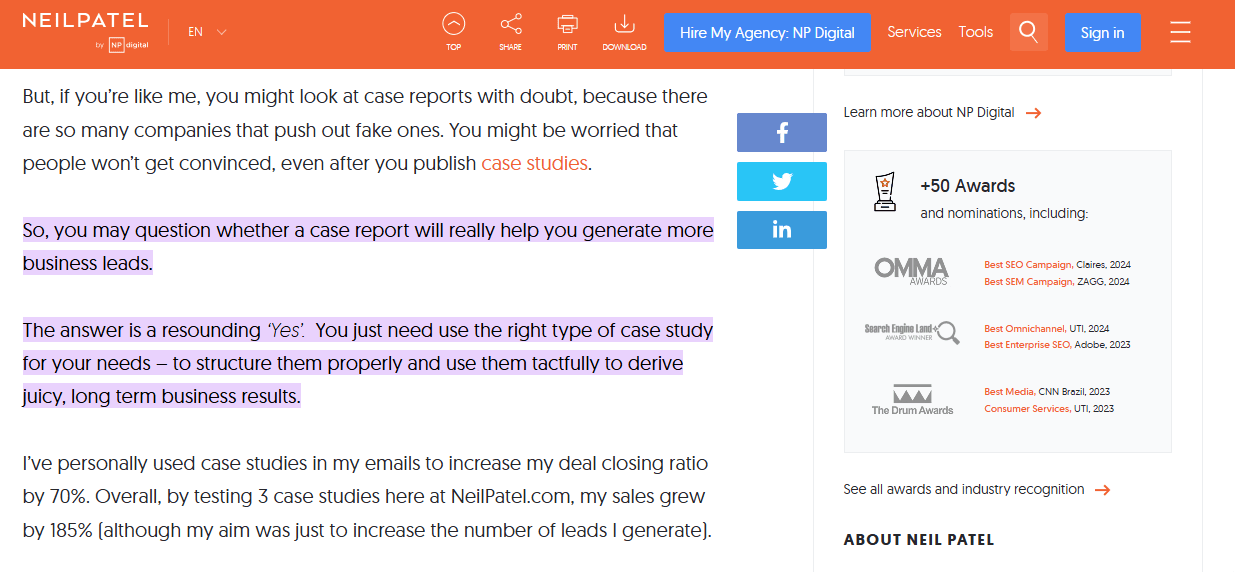
A thin content covering “effective email marketing tips” might say “use catchy subject lines.” This feels generic and doesn’t sound helpful. Supporting it with an example or case study makes the tip actionable and practical.
‘’Example: the subject line “Get 70% Off Today!” helped increase click-through by 15% in our test campaign.’’
Case studies show real results. So they work even better. So, you should improve your content quality by adding examples and case studies. It will also help make your page more credible.
Include Lists and Step-by-Step Instructions
Thin content doesn’t guide readers. Instead, it leaves them confused. Adding lists and steps can help make it actionable.
For example, a page about “how to start a blog” might only say: “Choose a platform and write posts.” That is too short. You can expand it into steps:
- Pick a blogging platform (WordPress, Wix, Blogger).
- Choose a domain name.
- Select a theme and design your site.
- Write your first post with an engaging headline.
- Promote your blog on social media.
This approach gives clear instructions. Readers can follow them easily. Search engines favor content that is helpful and easy to read.
Add Visual Content
Content looks more appealing and helpful when it contains relevant multimedia elements. They can be images, insightful charts, infographics, and videos. Thin content is only comprised of textual content. Adding visuals will help improve user experience.
Let’s say you have a blog covering ‘’healthy smoothie recipes,’’ incorporate pictures of the smoothies that you share. You can also add a tutorial video showing how to blend all the ingredients. Multimedia elements can help add an interactive and appealing touch to your boring content.
The possibilities are endless. You can try different things like adding infographics to summarize key points. A chart showing “top 8 smoothie ingredients for energy” adds value quickly. Using online resources like Canva can help you design appealing and informative visuals for your online content.
Use Internal and External Links
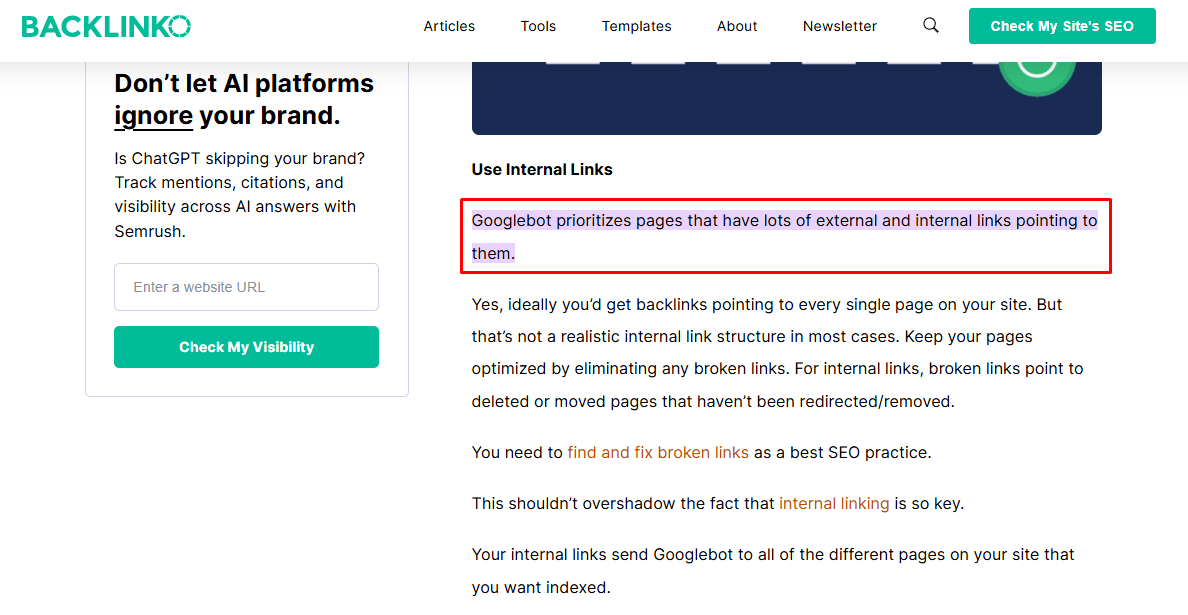
If your content doesn’t have any internal or external links, do it now. Adding these links will add context and depth to your content. It will also help with your SEO efforts.
Internal links guide readers to other pages on your site. For example, a page about “dog training tips” can link to another page on “puppy feeding schedule.”
External links show credibility. Link to reputable sources like research studies, official websites, or industry blogs. Having such links in your content gives both readers and search engines the impression that your content is well researched.
Answer Common Questions
Try to answer the most-asked questions in your content. Both readers and search engines love content that answers questions in a detailed way. Wondering how you can spot the questions people ask? Well, it’s easy. You can use tools like Google’s “People Also Ask” or forums to find common questions.
For example, if you write about “gardening tools,” readers may ask:
- Which tools are best for beginners?
- How do I maintain garden shears?
Your content should have answers to these types of questions. It makes your page a one-stop resource. Search engines like pages that solve problems.
Refresh Outdated Content
Old content can be thin or outdated. Updating it adds value.
For instance, a blog about “SEO trends 2026” might be thin because many tactics have changed. Update it with 2025 trends. Add examples, statistics, and links to new tools. This keeps your page relevant and improves SEO performance.
Improve Readability
Poor readability is another characteristic of thin content. So, use short sentences, simple words, and headings to break up different ideas or concepts.
- Avoid long paragraphs.
- Use bullet points where possible.
- Bold key points to help readers scan the page.
When you improve readability, readers find it easy to grasp the idea/information you are trying to convey. It also reduces bounce rates, which search engines notice.
Summarize and Provide Next Steps
At the end of your content, summarize key points and suggest actions. Thin content often lacks conclusions.
For example, a page about “email marketing” can end with:
“Start by writing catchy subject lines, personalize your emails, and test different templates. Use analytics to track performance and improve over time.”
A clear summary helps readers take action. It also signals to search engines that your page is complete and valuable.
Wrapping Up
Thin content doesn’t work; it does more harm than any good. We have shared some useful tips that you can implement to get rid of unhelpful or thin content. Try to focus on clarity and readability. Answer real questions and provide actionable advice.
You can also use tools like an AI paragraph writer. It can help refine your text, making it smooth, clear, and professional. Even small improvements in thin content can boost SEO and user engagement.
By following these methods, your website can rank higher and provide more value to your readers. Thin content becomes a powerful tool when it is informative, actionable, and well-structured.
About the Author
Jay Patel is the Founder of XSquareSEO, a full-service SEO agency with experience in on-page SEO, eCommerce SEO, link building, technical SEO, SaaS SEO, and local SEO. For more information, feel free to contact us.
Explore More Guides
SaaS Signup Search Strategy
Get Mentioned in ChatGPT
Top SEO Lead Gen Email Agencies
Complete SEO Checklist
7 Content Writing Mistakes
Editorial Photography SEO
AI Reshaping Digital Marketing
Enterprise Tech Support Resilience
AI Content Workflows
Future of Digital Marketing